The Evolution of Korea’s Delivery Culture: From Baemin to Dawn Delivery
Translated from the Korean original.
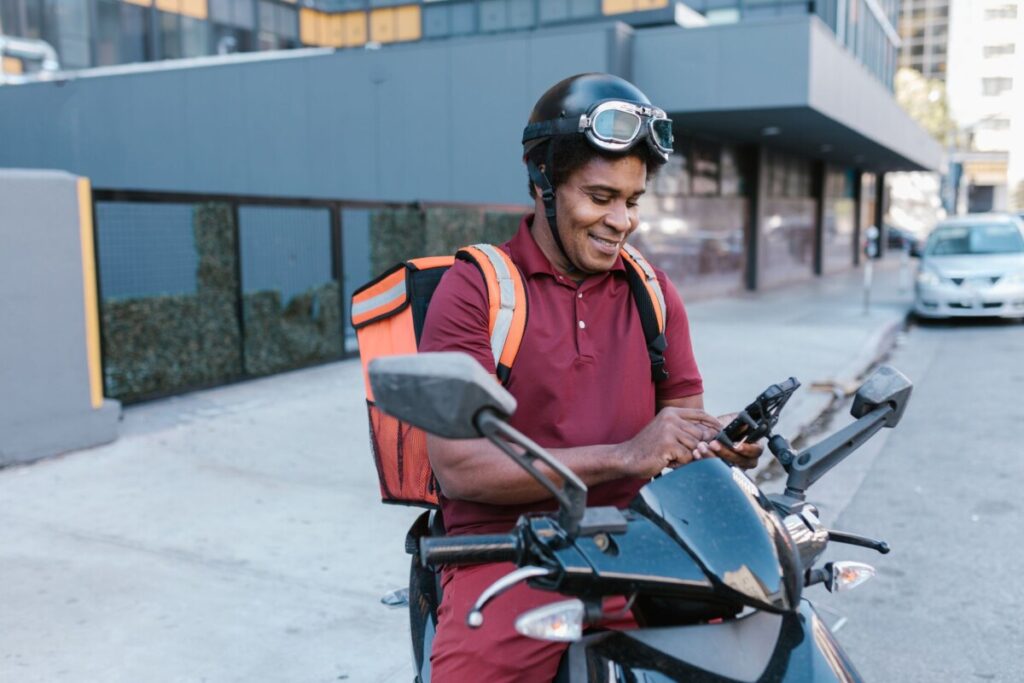
Korea’s delivery culture is a system you will not find anywhere else in the world. With just the Baedal Minjok, Coupang Eats or Yogiyo app, chicken, pizza and Chinese food — and even dishes from upscale restaurants — arrive at your door within 30 minutes. The delivery fee is usually around KRW 1,000–4,000, and on rainy days a surcharge may be added. I order delivery at least three times a week and, honestly, my body has reached the point where it cannot live without it.
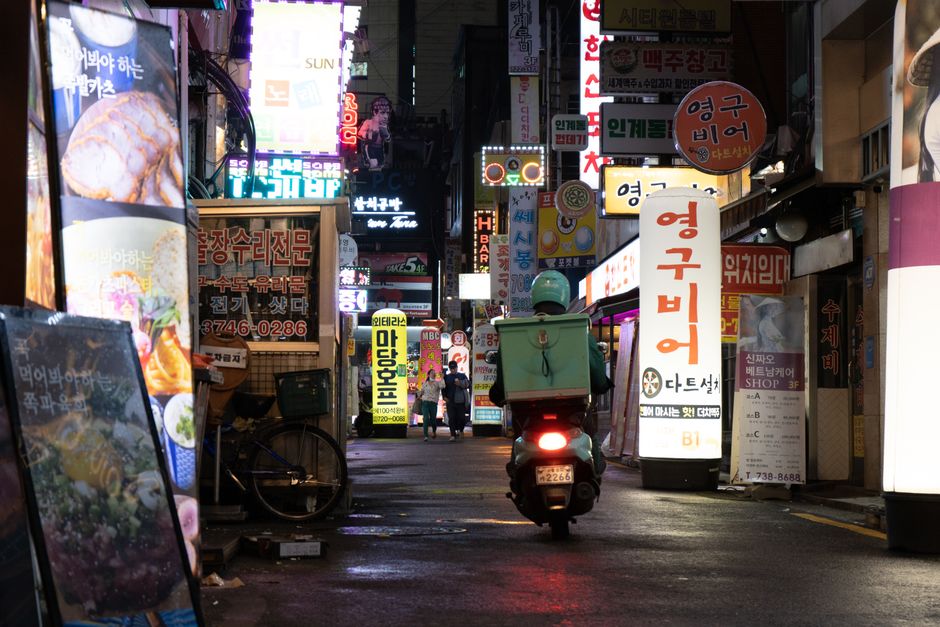
The history of delivery in Korea makes for a fascinating story. In the 1990s jjajangmyeon delivery was about the only option; then the arrival of delivery apps in the 2010s changed everything. Since Baedal Minjok launched in 2010, the landscape of Korea’s dining industry has been completely redrawn. Now you can order tteokbokki at 2 a.m., and even a single ice cream can be delivered. I am always grateful for the hard work of the delivery riders.

Just as innovative as food delivery is ‘dawn delivery’. Pioneered by Market Kurly (now Kurly), this service works like this: order by 11 p.m. and it is at your door before 7 the next morning. From fresh groceries to household goods, one app handles it all with no trip to the supermarket. Coupang’s Rocket Fresh offers a similar service, and in Korea the number of people who actually go to the store to shop for groceries keeps shrinking.

It is no exaggeration to call Coupang’s Rocket Delivery a revolution in Korean e-commerce. Rocket Delivery items arrive same-day or next-day as standard, and a Rocket Wow membership (KRW 7,890 a month) gets you free shipping plus access to Coupang Play (its OTT service). The first time you order in the middle of the night and it arrives the next morning, it really is astonishing. In Korea, ‘parcel day’ carries the small thrill of a mini Christmas.

Karrot opened a whole new chapter in the culture of secondhand trading and delivery. It started as a neighborhood-based secondhand app, but has grown into a local community platform covering not just direct deals but neighborhood news, part-time job listings and property information. Success stories like ‘I bought a washing machine on Karrot for KRW 30,000’ are something you hear all the time. Listing the things you don’t need when you move and having them sell within hours is a remarkable experience too.

Convenience store parcel services and unmanned lockers are another important part of Korea’s delivery infrastructure. CU Delivery lets you send a parcel from around KRW 3,000, which is genuinely useful for small transactions, and the unmanned parcel lockers in apartment buildings mean you can receive packages safely even when you are out. I often use the GS25 return service, which makes handling online shopping returns at a convenience store simple. Korea’s logistics system really is world-class.

In a Korea where delivery and shipping have developed this far, staying home can become a lifestyle in itself. Food by delivery, daily necessities by dawn delivery, shopping online — you can live without stepping outside. It is convenient, but I do think the analogue experiences of going to the market yourself or eating at a neighborhood restaurant are precious too. Isn’t the balance the important part: enjoying the convenience of technology without losing face-to-face contact with people?

📊 Korean Delivery App Comparison
🛵 Delivery App Tips
- 🕐Delivery takes at least 30 minutes to an hour. Peak times (noon, 6–8 p.m.) take longer
- 💳Using sign-up coupons and first-order discounts can save you up to 50%
- ⭐Stores with many reviews, a rating of 4.5 or above and a ‘friendly owner’ badge are generally safe bets
- 🌧️Watch out for delivery fees spiking on rainy days — takeout pickup is cheaper then
- 📦For dawn delivery (Coupang Rocket, Market Kurly), order before 11 p.m. and it arrives by 7 a.m. the next day


Comments
Be the first to comment. Please avoid sharing personal or medical records.