Republic of Cafes, South Korea: The Daily Life of Koreans Who Cannot Live Without Coffee
Translated from the Korean original.
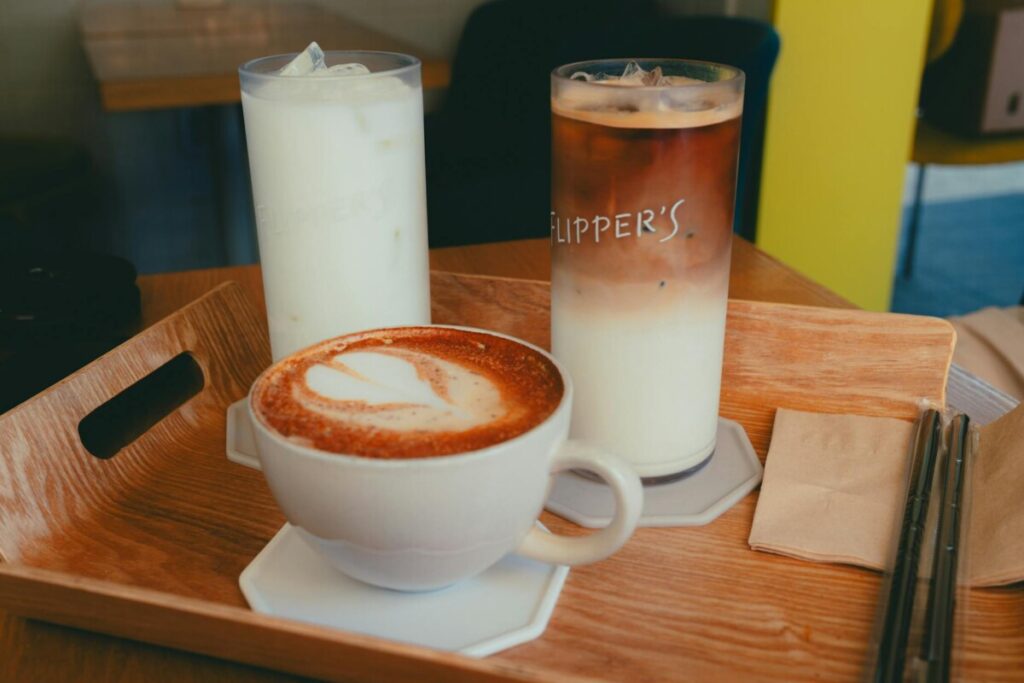
Korea is one of the countries with the highest per-capita coffee consumption in the world. Adults are said to drink about 400 cups of coffee a year, which works out to more than one a day. Seoul alone has some 20,000 or more cafes, and once you include convenience store coffee, the places you can buy a cup are beyond counting. I drink at least two a day myself — an americano on the morning commute and a cafe latte in the afternoon are my daily routine.

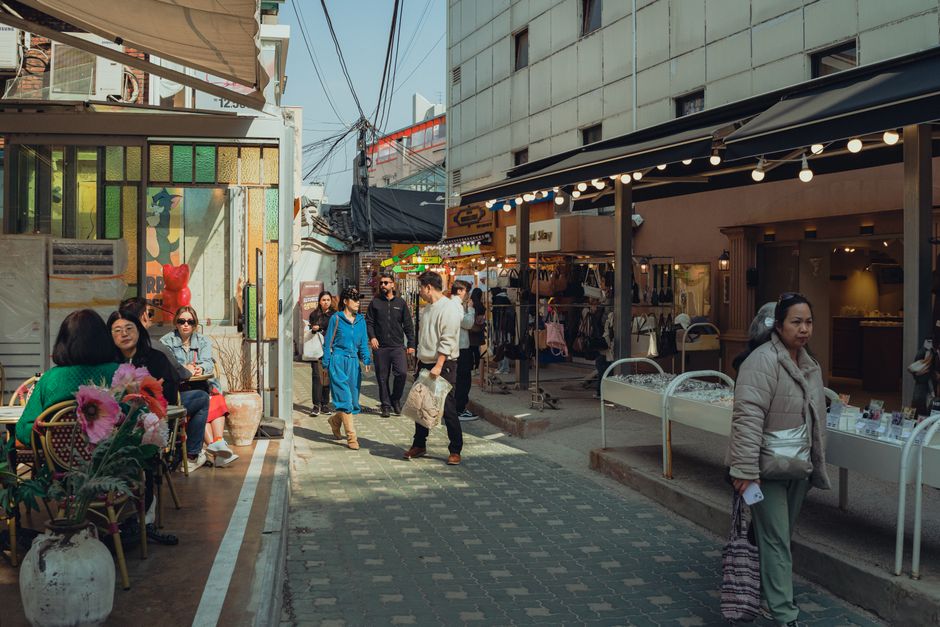
What makes Korean cafe culture special is the investment in ‘space’. Many places are not simply somewhere to drink coffee but somewhere that offers an experience through interior design and atmosphere. From the Daelim Warehouse gallery cafe in Seongsu-dong to the vintage cafes of Yeonnam-dong and the ocean-view cafes of Jeju Island, Korean cafes are appealing enough to become travel destinations in their own right. There is even a word for it — ‘cafe tour’ — and going around hunting for pretty cafes has become a hobby of its own.

Prices vary enormously too. At budget franchises like Mega Coffee and Compose Coffee, KRW 1,500–2,000 is enough for an americano. Starbucks, on the other hand, runs KRW 4,500–5,500, and specialty cafes like Blue Bottle go up to KRW 6,000–8,000. What is interesting is that each has a devoted following regardless of price. I split it up myself — Mega Coffee on weekdays, a specialty cafe when I have a leisurely weekend.

The ‘kagongjok’, people who study or work in cafes, are another major pillar of Korean cafe culture. Come exam season, cafes in university districts fill up with students spreading out laptops and textbooks. Some cafes run on an outright ‘study cafe’ concept, charging KRW 2,000–3,000 an hour to provide a quiet environment. The battle for the outlet seats at Starbucks is already a famous story, and there are even people who queue up the moment a cafe opens.
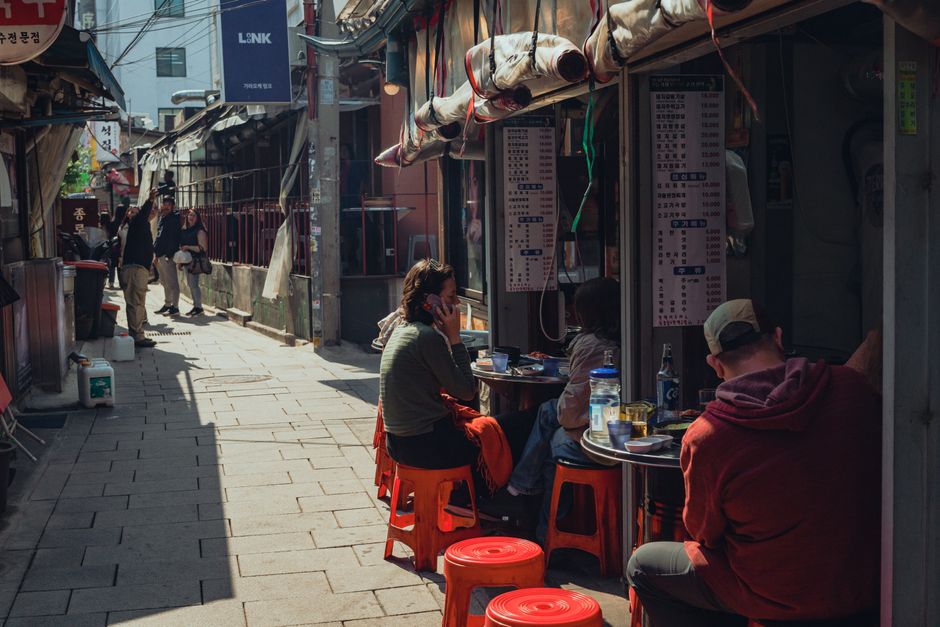
It is also fun how the popular menu changes with the seasons. In summer the iced americano is overwhelming, and mango smoothies and grapefruit ade draw a crowd. In winter warm vanilla lattes and sweet potato lattes are loved, and the Christmas-season limited menus become a talking point on social media. Spring brings strawberry drinks and autumn brings seasonal items using chestnut or sweet pumpkin — tasting these seasonal offerings is one of the joys of cafe life in Korea.

Another characteristic of Korean cafes is the very high standard of dessert. Croffles, carrot cake, Basque cheesecake, salt bread — many places respond sensitively to trends while keeping their quality up. Bread and cake baked in-house at small neighborhood bakery-cafes in particular boast a flavor that cannot be compared with the franchises. These days more cafes offer vegan desserts or gluten-free options too, so the range of choice has widened.

In Korea, coffee and cafes go beyond a simple drink and a space to become a means of social connection. When we meet a friend, when we hold a business meeting, when we want to rest alone, we naturally head for a cafe. Understand the daily life and culture of Koreans held in a single cup of coffee and you will be able to understand Korean society more deeply. I hope a good cup of coffee is with you today too.
☕ Korean Cafe Culture Insights
- ☕Korea’s coffee consumption: 353 cups per person a year, about 3 times the world average (132 cups)
- 📍More than 20,000 cafes in Seoul alone. Starbucks, Ediya and A Twosome Place are the big 3
- 🌱Specialty coffee culture is growing fast — high-quality independent cafes cluster in Seongsu-dong and Yeonnam-dong
- 💰Average americano price: KRW 4,000–5,000 at franchises / KRW 1,500–2,500 at budget brands
- 🧋Homegrown Korean brands such as Caffe Bene and Hollys are expanding briskly overseas as well
Comments
Be the first to comment. Please avoid sharing personal or medical records.