A Day in the Life of a Korean Office Worker: Leaving on Time Is a Dream, Overtime Is Reality?
Translated from the Korean original.
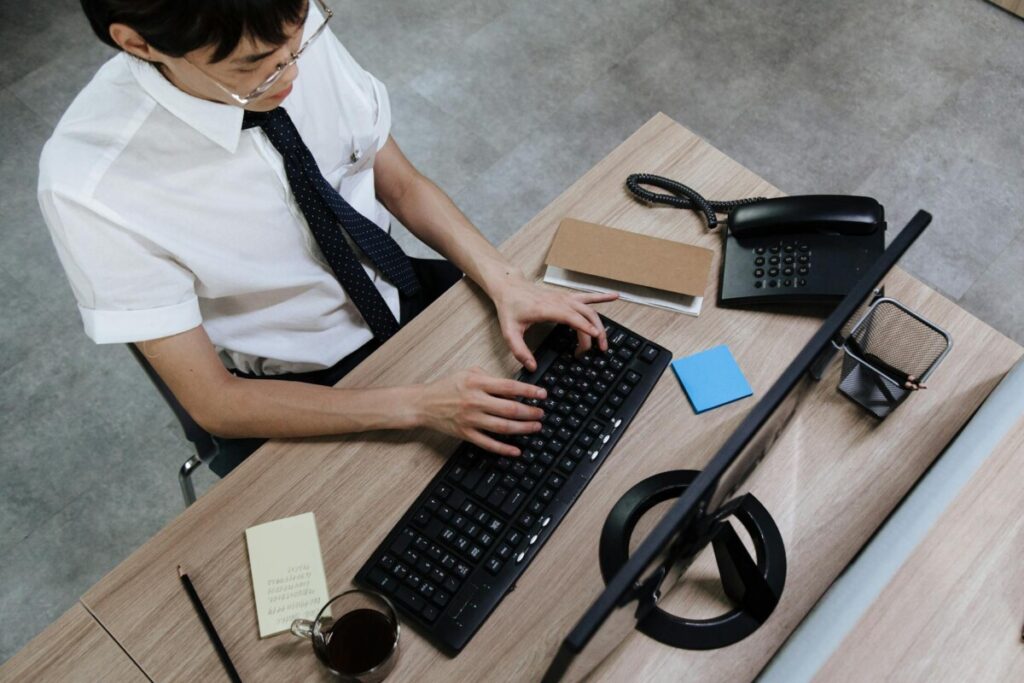
7 a.m. — when the alarm goes off, my hand reaches for the smartphone before my eyes even open. Checking the messages that piled up overnight in the KakaoTalk work group chat is how the day begins. I’m in my fifth year at an IT company near Gangnam Station; work starts at 9, but to avoid the subway crush I have to leave home before 8. The war-zone congestion of the Line 2 morning commute is something you will never understand until you have lived it.

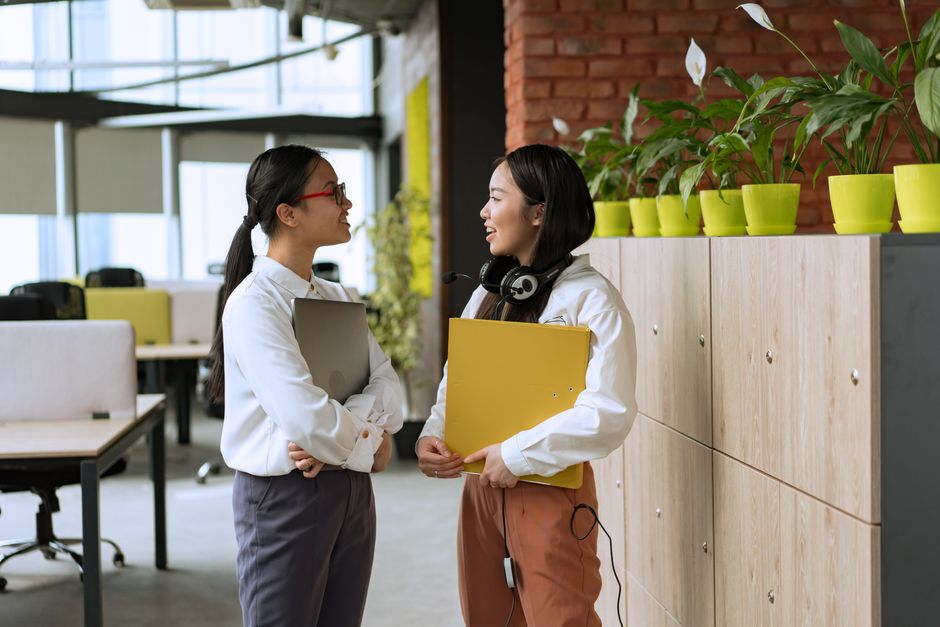
One thing you cannot leave out of Korean workplace culture is ‘lunch hour’. It usually runs from 12 to 1, and for office workers that single hour is the happiest part of the day. Eating a baekban set meal at a restaurant near the office – kimchi jjigae at KRW 8,000, doenjang jjigae at KRW 8,500, jeyuk bokkeum at KRW 9,000 – is everyday life. Lunch prices have risen a lot lately, so even the phrase ‘happiness for KRW 10,000’ is becoming a thing of the past. Still, sitting around with colleagues and chatting over lunch is what makes the afternoon survivable.
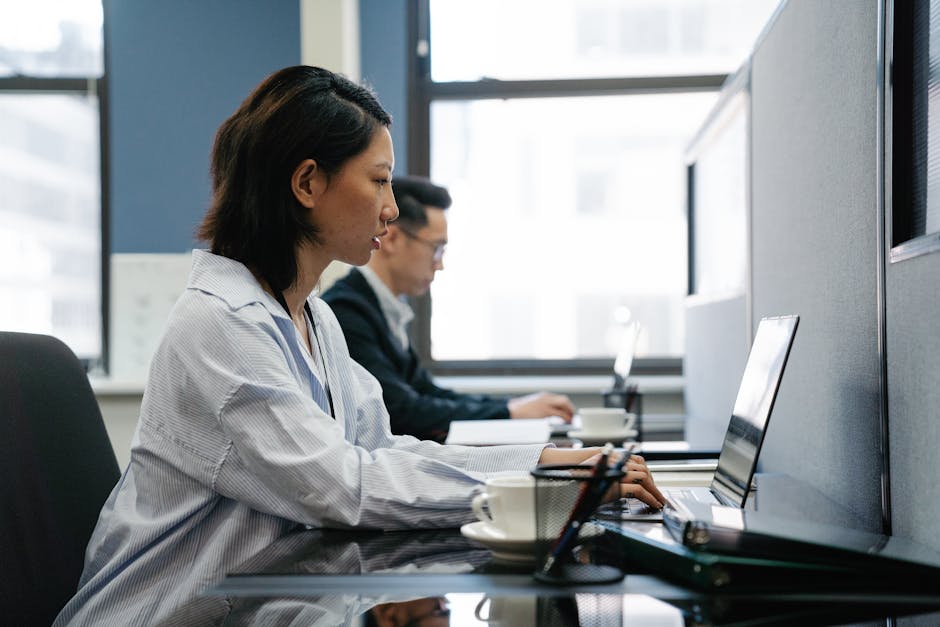
Around 2 p.m., the fight against the post-lunch drowsiness that never fails to arrive begins. At that point, grabbing an americano from the cafe on the ground floor is the unwritten rule for Korean office workers. Even when the office has a coffee machine, plenty of people deliberately head outside just for a change of mood. Feeling that a Starbucks americano at KRW 4,500 is expensive while buying one every day anyway – that is the sad reality of office life.

They say overtime culture has shrunk a lot since the 52-hour workweek took effect, but it varies hugely by industry and by company. In IT, overtime is unavoidable before a project deadline, while at large corporations a leave-on-time culture has settled in relatively well. Many startups have adopted flexible hours so commuting times are free, but the workload tends to be that much heavier. I too had a time when the words ‘off at 6’ made my heart flutter.
For Korean office workers, the hours after work are when real ‘life’ begins. Some hit the gym, some take English or coding classes at an academy after work, some unwind with Netflix – everyone spends the evening their own way. Lately, with the ‘gatsaeng’ (god-life) trend, there are more and more Miracle Morning types who get up at 5 a.m. to work out before heading in. Honestly, I am the type who is grateful just to lie down on the sofa once I get home.

Hoesik (company dinner) culture has changed a lot too. It used to be standard to go for meat at the first round, a bar at the second and karaoke at the third, but these days wrapping up after the first round is the norm. As MZ-generation employees put weight on ‘work-life balance’, compulsory hoesik has all but disappeared, giving way to lighter forms such as team lunches or cafe get-togethers. Even so, year-end parties and post-project dinners are still an important part of Korean workplace culture.
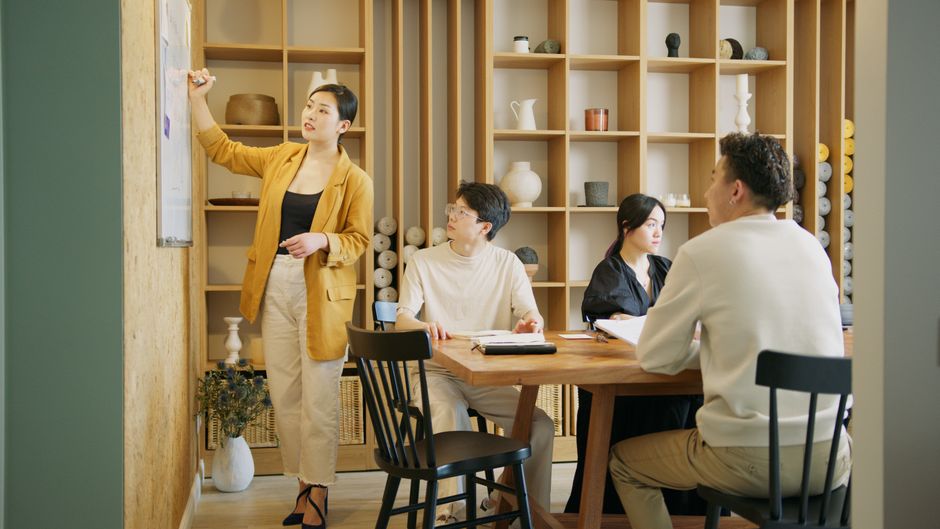
It is true that working life in Korea is hard, but there are definitely small joys to be found inside it. The comfort of a cup of coffee shared with a colleague, the pride in the number that lands in your account on payday, the sense of release on a Friday evening – these are feelings only office workers know. What carries you through a rough Monday is, in the end, probably the people you work with and the anticipation of the weekend. To everyone heading to work again today, thank you for all your hard work.
💼 Real insider tips on Korean office life
- ⏰Average leaving time in Korea: 7-9 p.m. The gap between legal working hours (the 52-hour rule) and reality
- 🍱Office lunch culture: eating alone vs group meals. Convenience store lunch boxes are popular too
- ☕A cafe takeout before the morning commute has become routine – pre-ordering on the Starbucks app is a must
- 🏃Chimaek (chicken + beer) after overtime, samgyeopsal dinners – how Korean office workers blow off stress
- 📱A culture of work messages over KakaoTalk – they often arrive after hours too


Comments
Be the first to comment. Please avoid sharing personal or medical records.