Korean Health Culture: Pharmacies, Korean Medicine Clinics and Health Check-ups
Translated from the Korean original.
One of the most surprising things about life in Korea is how accessible the healthcare system is. Catch a cold, drop by a neighborhood clinic, and the whole visit is over in 30 minutes including the wait, with the consultation costing about KRW 5,000–10,000 once national health insurance is applied. Fill the prescription at the pharmacy right next door and the medicine runs another KRW 3,000–5,000 or so. Anyone who has ever put off seeing a doctor abroad because of the bill tends to be astonished at what medical care costs in Korea.

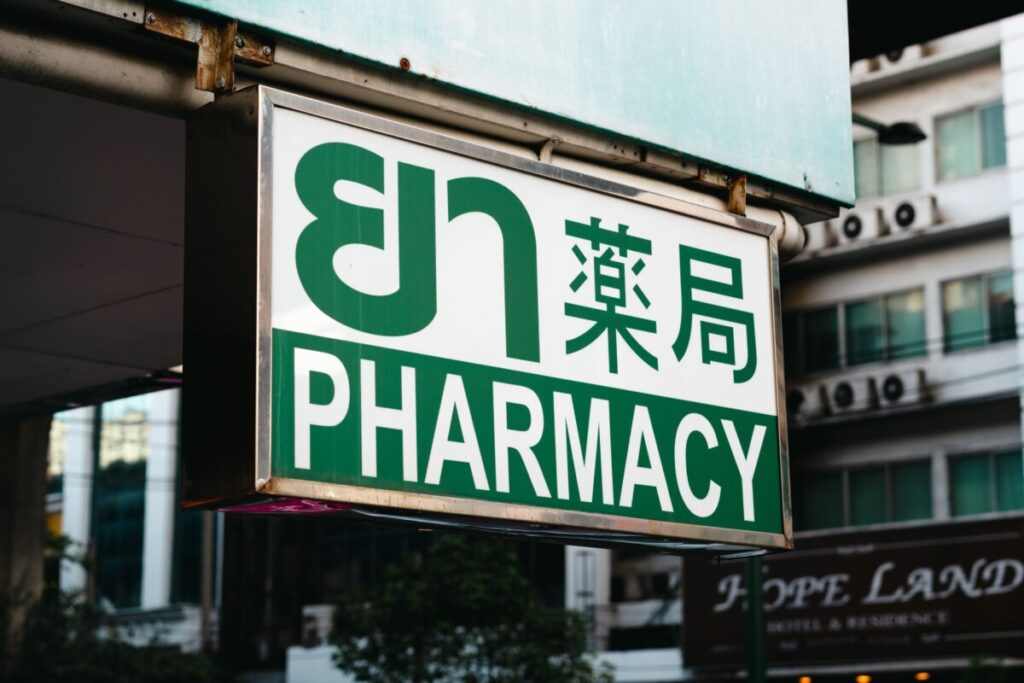
What makes Korean pharmacies special is the pharmacist’s consultation service. Even without a prescription you can buy over-the-counter medicine such as cold remedies, digestive aids and painkillers, and the pharmacist will recommend something suited to your symptoms. Saying ‘Excuse me, my throat hurts and I have a cough’ and having the pharmacist put together the right combination of medicines is an everyday scene at a Korean pharmacy. Plenty of people also get advice on health supplements like vitamins and probiotics and buy them there.
Korean medicine clinics (hanuiwon) are another medical experience unique to Korea. Acupuncture, moxibustion, cupping and herbal prescriptions — traditional medicine delivered in modern facilities. When my lower back was hurting I went for acupuncture at a hanuiwon; the needles scared me at first, but it turned out to be no more than a prick, and after a few sessions I was clearly better. Some hanuiwon treatments are covered by national health insurance, so a single session costs around KRW 5,000–15,000, which is not much of a burden.

No account of Korean health culture would be complete without the health check-up. Companies fund an annual check-up for their employees, and the National Health Insurance Service also provides a free check-up every two years. A comprehensive screening ranges from KRW 300,000 to over KRW 1,000,000 depending on the hospital, and covers blood tests, ultrasound, endoscopy and even CT scans — a full-body review in a single day. From your 40s onward, cancer screenings such as colonoscopy and mammography are also free, which makes it a truly excellent system.

Koreans’ interest in health supplements is remarkable as well. Red ginseng could be called the national health food of Korea, and products from brands like KGC Cheong Kwan Jang are hugely popular as holiday gifts. Many people take a whole lineup of supplements — probiotics, vitamin D, omega-3, lutein — and you only have to look at how the health supplement section at Olive Young keeps expanding to feel the trend. The influence of health YouTubers plays no small part either.
Dermatology and dental clinics are two more places Koreans visit often. At a dermatologist you can get everything from acne treatment to laser procedures and Botox, at prices considerably lower than abroad. At the dentist, a scaling is covered by national health insurance once a year for around KRW 15,000. Experience Korean medical services for yourself and you immediately understand why the country is a ‘medical tourism’ powerhouse.
What stands out about Korean health culture is that the focus is on prevention. Regular check-ups, supplements, exercise, healthy eating — the effort to manage one’s health is woven naturally into daily life. The fact that the health insurance system lets you use medical services without financial strain is a major advantage too. If you are living in Korea, make the most of this excellent system, and please don’t forget to get your health check-up.


888now9com…Sounds a bit generic, but maybe got hidden gems inside? Who knows! Better go see for yourself lah at 888now9com.