Korea’s Holiday Culture: Seollal and Chuseok, and the Special Everyday They Bring

Translated from the Korean original.
Seollal and Chuseok, Korea’s two biggest holidays, are not simple public holidays but a special time when family and tradition become one. Seollal falls on the first day of the first lunar month and Chuseok on the fifteenth day of the eighth lunar month, and each comes with a three-day holiday that includes the day before and the day after. During this period the whole country is on the move, and the trip from Seoul to Busan, normally four hours, can take eight to ten hours. The relief of finally reaching your hometown after pushing through the highway jams is beyond words.
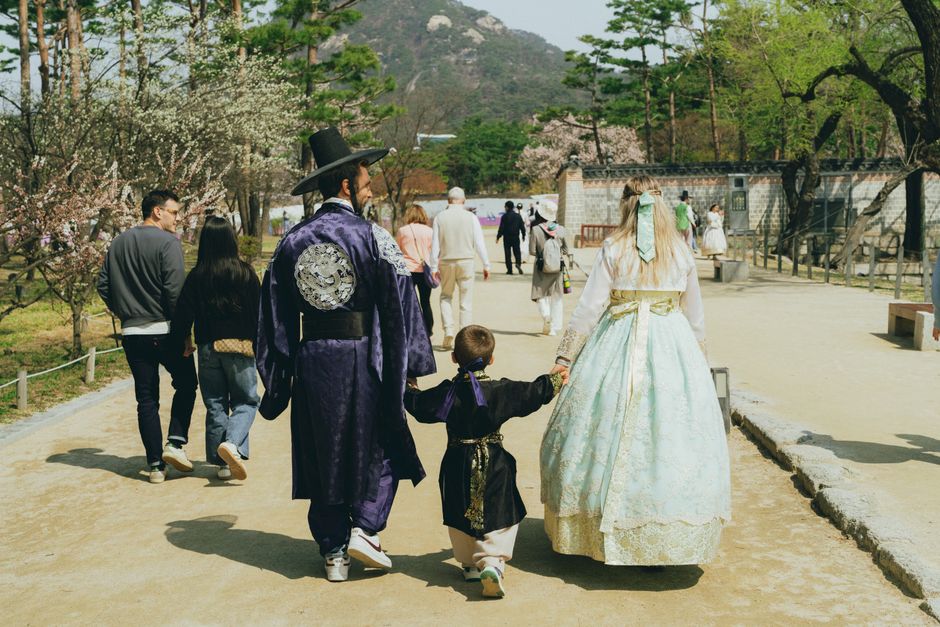
Seollal morning begins with tteokguk. There is a tradition that you only turn a year older once you have eaten tteokguk, garaetteok rice cake sliced thin and simmered in beef broth. Sebae is another core Seollal event: you bow to the elders and receive words of blessing along with sebaetdon, New Year’s money. When I was young, collecting envelopes of sebaetdon was a real pleasure; now I am the one handing sebaetdon to my nieces and nephews, so it has become the holiday that lightens my wallet.

Chuseok can be called ‘Korea’s Thanksgiving.’ Holding a charye ancestral rite with the year’s first grains and fruits, and shaping songpyeon, are its signature customs. Songpyeon is a rice-flour dough stuffed with sesame, beans, or chestnuts, shaped into a half-moon and steamed, and the time the family spends sitting in a circle shaping songpyeon is the warmest moment of Chuseok. There is even a saying that ‘if you shape your songpyeon prettily, you will have a pretty child,’ which makes everyone put in extra care.

Preparing holiday food is a major undertaking in a Korean household. Dozens of dishes have to be made, such as jeon (pan-fried fritters), galbijjim (braised short ribs), japchae (stir-fried glass noodles) and seasoned vegetables, and in the past this burden fell mostly on the women, which became a social issue. Fortunately, more and more households now cook together as a family or order holiday food online. If you order holiday gift sets and half-prepared dishes from Market Kurly or Coupang in advance, you can have a far more relaxed holiday.

Seongmyo, visiting and tending ancestral graves, is another important holiday rite. At Chuseok, families go to their ancestors’ graves to cut the grass and bow, and through this they reflect on the family’s roots and history. Cremation and charnel houses have become more common lately, so grave-visiting customs are gradually changing, but the heart of a family honoring its ancestors together has not changed. Every Chuseok I go to my grandmother’s grave and tell her how the year has gone, and that time feels truly precious to me.

Another face of the holidays is the ‘great national migration’ and the social phenomena it brings. You can barely get a KTX ticket unless you book a month ahead, and if you do not reserve flights early the price jumps two or three times over. The number of ‘off-season travelers’ who head overseas during the holidays grows every year. Seoul, on the other hand, becomes quiet during the holiday period, so here is a tip: sightseeing in Seoul then lets you enjoy the major attractions at your leisure.

Korea’s holidays are changing, but their essence remains. Even as the formalities grow simpler, the feeling toward family, the gratitude toward ancestors, and the warmth of gathering to share food do not change. Every time a holiday approaches, mixed emotions cross my mind, but in the end I experience all my fatigue melting away the moment I see my family’s faces. I think Korea’s holiday culture, where the modern and the traditional coexist so beautifully, is the very identity of this country.


Comments
Be the first to comment. Please avoid sharing personal or medical records.