Mastering the Seoul Subway: A Public Transport Guide for Beginners
Translated from the Korean original.
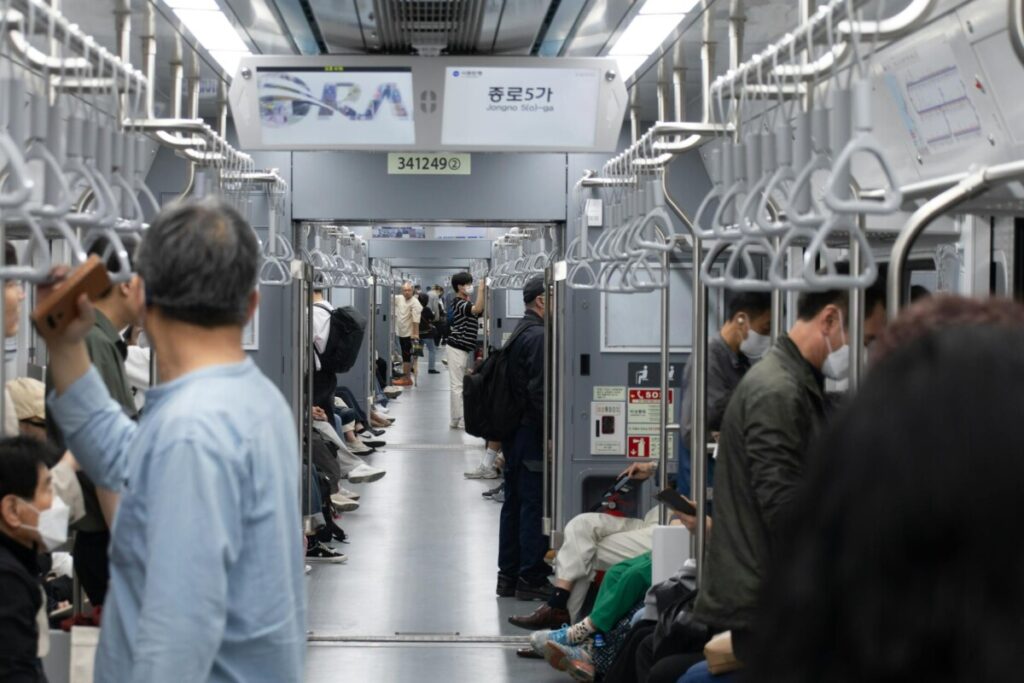
The Seoul subway is counted among the most efficient public transport systems in the world. It has 23 lines and more than 700 stations, and carries an average of over seven million passengers a day. The first time you look at a Seoul subway map it can seem as tangled as a spider’s web, but ride it for a few days and you get used to it quickly. Once you understand the transfer system — the numbered Lines 1 through 9 plus wider-area lines such as the Gyeongui–Jungang Line and the Shinbundang Line — you can get anywhere in Seoul.

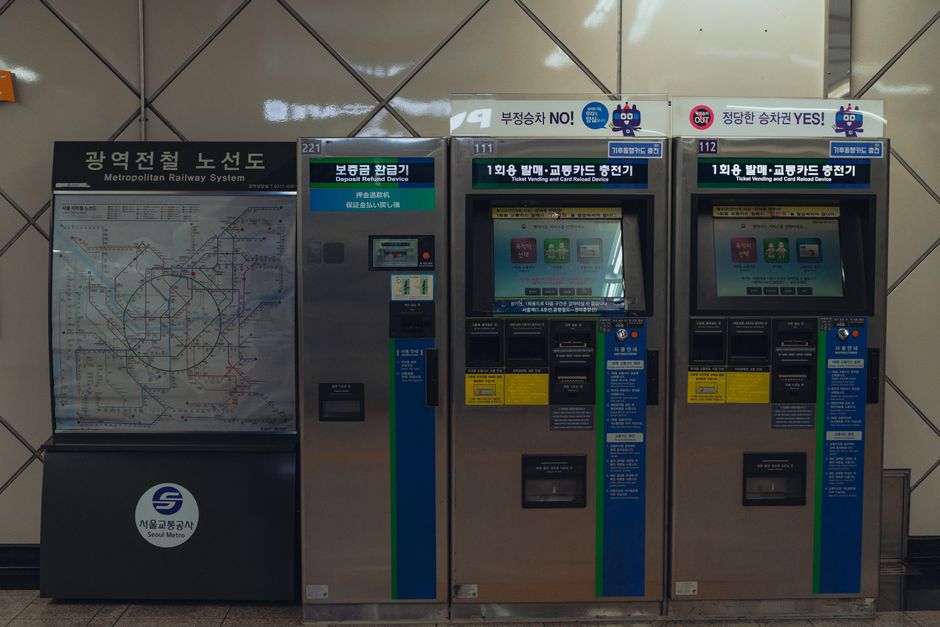
A transit card is an essential item for life in Korea. You can buy a T-money or Cashbee card at a convenience store for KRW 2,500, top it up, and use it on both the subway and buses. These days even more people use a mobile transit card through their smartphone’s NFC function. The base fare is KRW 1,400 on the subway and KRW 1,500 on a city bus, and the fact that you can transfer with no extra charge is a huge advantage.
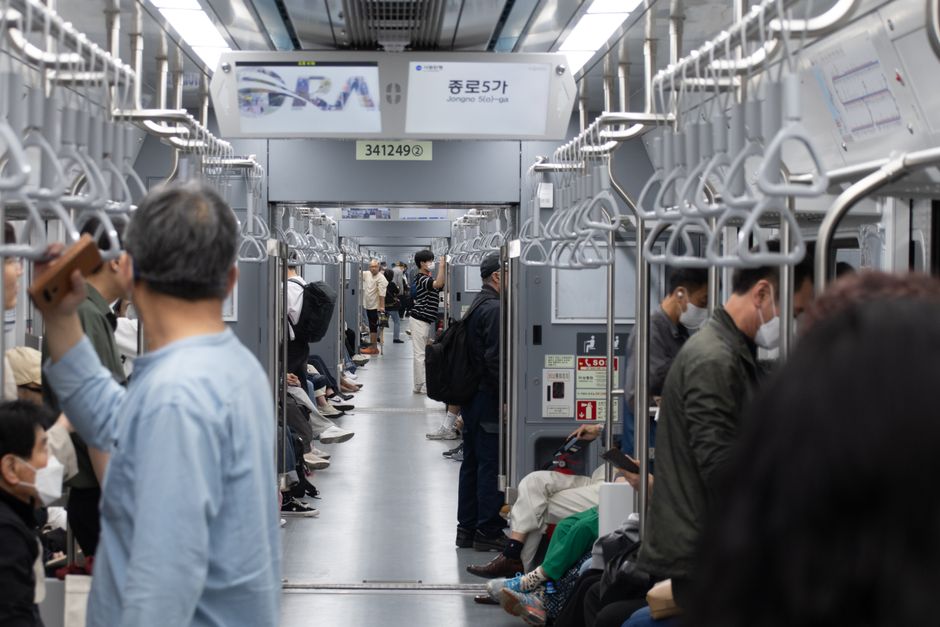
The subway at rush hour is, quite simply, a battlefield. Gangnam, Sillim and Guro Digital Complex stations on Line 2 in particular get so packed between 8 and 9 in the morning that you sometimes have to let one train go before you can squeeze on. To avoid the crush I shift my commute 30 minutes earlier, and at 7:30 I can still get a seat in comfort. Using the real-time congestion feature in Naver Map or KakaoMap makes getting around more efficient too.
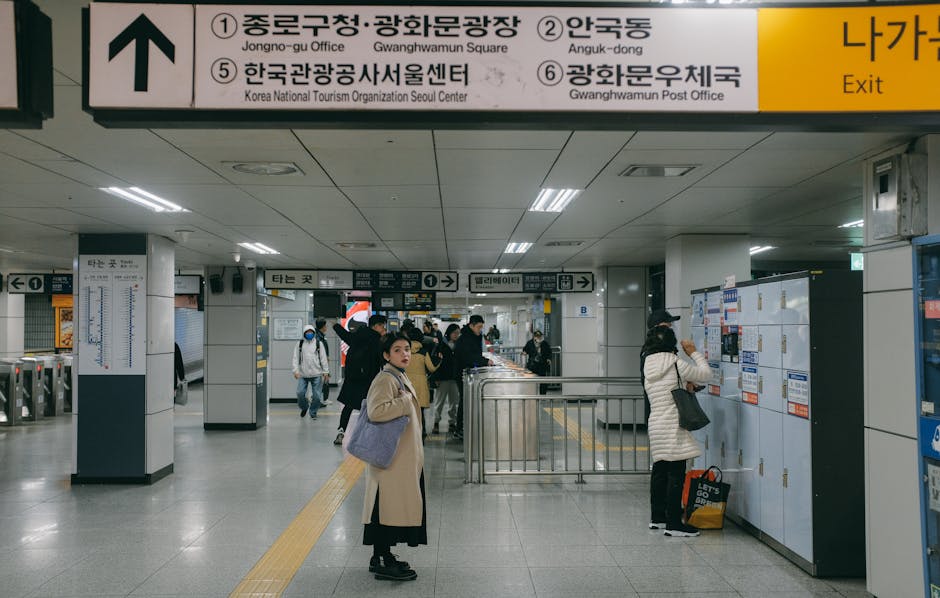
One of the Seoul subway’s hidden charms is the facilities inside the stations. Large transfer stations have underground shopping arcades where you can buy clothes, shoes and accessories cheaply, and the convenience stores and bakeries inside the station will sort out a quick meal. The Gangnam Station arcade, GOTO Mall at Express Bus Terminal Station and the Yeongdeungpo underground arcade are famous shopping destinations in their own right. The restrooms are kept clean as well, which is a real relief when you’re in a hurry.

Buses are an important mode of transport that connects the places the subway does not reach. Seoul buses are classified by color: blue is a trunk bus (long distances across the city), green is a branch bus (short connecting routes), red is a wide-area bus (linking Gyeonggi Province) and yellow is a circular bus. Arrival times are shown in real time on the electronic board at the stop and can also be checked in the KakaoMap or Naver Map app, so even a first-time rider will not find it difficult.
Taxis are relatively cheap in Korea as well. The base fare starts at KRW 4,800, and a trip across the city usually comes to around KRW 8,000–15,000. The Kakao Taxi app makes hailing easy and handles payment automatically, which is extremely convenient. Note that a 20% late-night surcharge applies between 10 p.m. and 4 a.m. Recently mobility services such as TADA and i.M have appeared too, widening the range of choices.
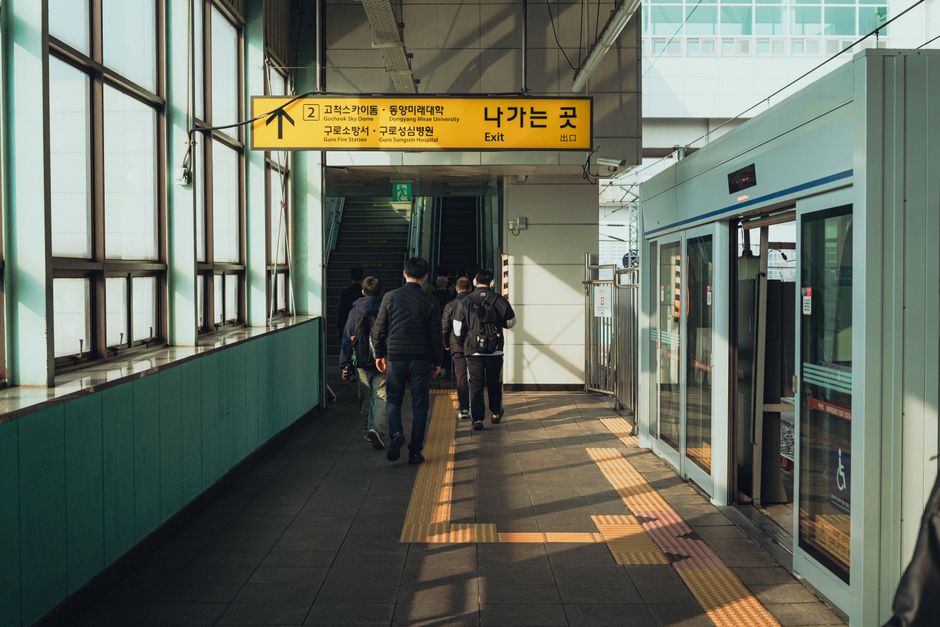
Public transport in Korea is so well organized that living without a car is no inconvenience at all. In fact, once you factor in parking fees and petrol, public transport is far more economical. I have been living in Seoul without a car for three years now and have never once felt inconvenienced. If you are coming to Korea for the first time, just get yourself a transit card. With that alone you can go anywhere in Seoul.



Comments
Be the first to comment. Please avoid sharing personal or medical records.